Built from the bench up.
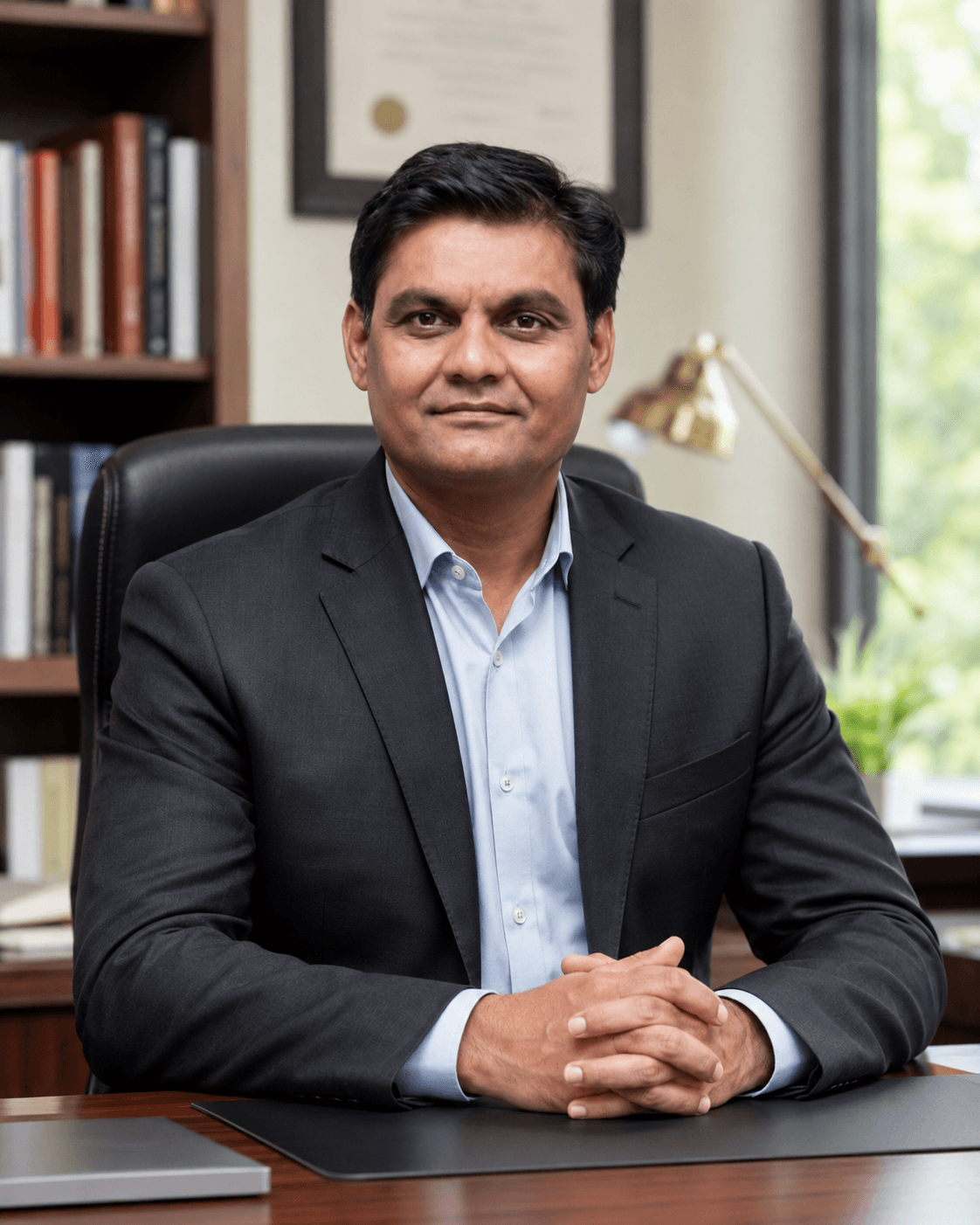
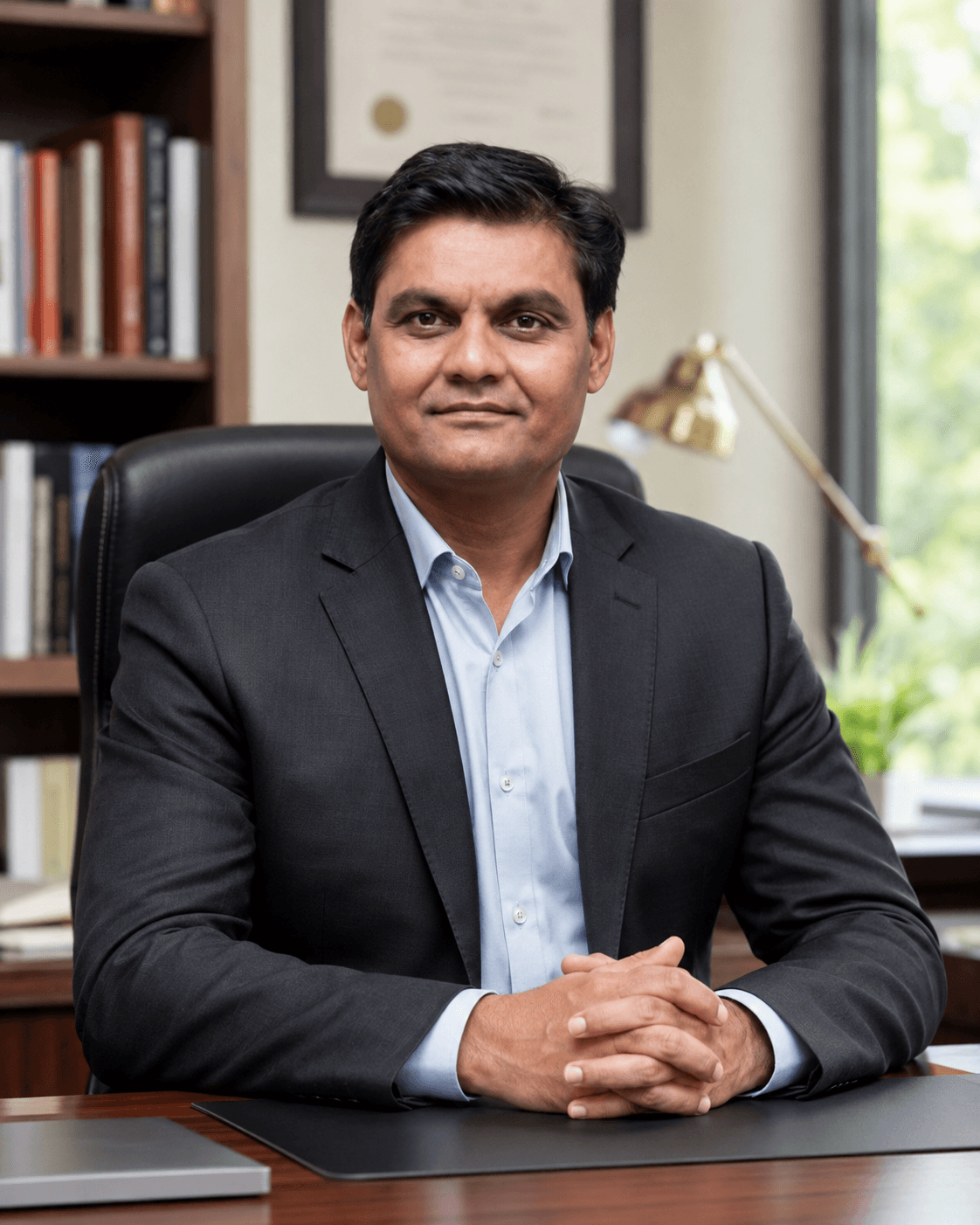
Kanti Madhani's story is self-made. A first-generation businessman with no inherited enterprise behind him, he chose chemistry, chose Anand, and chose the regulated-pharma path — at a moment when Indian fine chemicals had earned a foothold globally but the next layer of disciplined, audit-ready manufacturers still had room to be built. Laksh Finechem, founded in 2009, was that next layer.
The category was unforgiving. Regulated APIs are sold on documentation as much as on chemistry — DMFs, COAs, batch records, audit trails, change-control logs. Many small Indian manufacturers stumble at the regulatory layer; Laksh chose to lead with it. The plant was built GMP-first, the QC laboratory was scaled before the production hall demanded it, and the customers Kanti chose to court were those who would audit hard and stay long.
Today the company manufactures Gadodiamide, Gadobutrol, Caldiamide Sodium, Nimodipine, Felodipine and a deep iodine and chiral portfolio — supplying customers across India and around the world. Around the flagship product list, Kanti has built a regulated-pharma operation that runs on the basics: quality control, environmental compliance, occupational safety, customer responsiveness, and the slow compound of customer trust earned one audit at a time.
- 01Multi-purpose GMP plantVithal Udyognagar · Anand · 2009
- 02Iodine derivativesThe signature chemistry portfolio
- 03API & chiral resolving agentsGadodiamide, tartrates and beyond
- 04Iodophors & lithiumSpecialty molecules at scale
The chemistry was old. The discipline of getting it audit-ready was the actual work.
Capital placed in the plant.

Kanti's capital allocation reflects the same conviction that built Laksh Finechem: India needs more of certain things, and the businesses that deliver them well — with quality, with patience, with regulatory rigour — will compound for decades.
The capital sits in the plant — multi-purpose GMP capacity, a cleanroom and packaging area on a 5-micron air-handling system, advanced drying systems, sophisticated pulverising lines, and a QC laboratory that gets the resources it asks for. Capability is the asset. Working capital flows through it; capacity expansions are funded from internal accruals; and the operating cycle is run cash-positive.
The horizon is long. The capacity decisions taken today determine which audits clear next year and which customer chemistries can be onboarded the year after. Capital placed for the long compound — not the short cycle — and placed in the only place that matters in a regulated industry: the manufacturing spine.
An open door for first-generation founders.
Kanti actively engages with younger founders in regulated pharma, fine chemicals, contract manufacturing and the broader ecosystem of Indian SMEs that supply the global pharmaceutical industry. As someone who built Laksh from the ground up in an audit-heavy category, he is candid about what the work actually takes.
The conversations are direct. Founders reach out for a view on plant design for a multi-product API line, how to staff a QC laboratory for the first regulated audit, how to think about DMF filings in a new geography, how to win the first export customer without burning capital, how to navigate Pollution Control Board approvals in Gujarat, or how to structure a family-run chemical company for the next generation. He engages personally.
Beyond one-on-one mentorship, Kanti is a quiet contributor to the Charotar region's pharma ecosystem — Vallabh Vidyanagar's educational institutions, the local industrial community, and the CSR work the group has chosen to support, including tree-plantation drives and environmental sustainability initiatives in Anand district.
Open door · No agenda · No invoice.
For first-generation Indian founders building in regulated pharma, fine chemicals, contract manufacturing and family-run enterprises — the door stays open.
The founder's job in a regulated industry is to compound customer trust, one audit at a time.
- Audit-ready operations are an operating culture, not a checklist.
- Capacity decisions today determine which customers exist next year.
- Indian fine chemicals compete globally on documented quality, not on price alone.
- 01Building a WHO-GMP API plant from scratch
- 02QC laboratory design for first-time exporters
- 03DMF filings & regulatory dossiers for new geographies
- 04Iodine chemistry & specialty fine chemicals
- 05Family enterprise — second-generation transitions
- 06Pollution Control Board compliance in Gujarat